
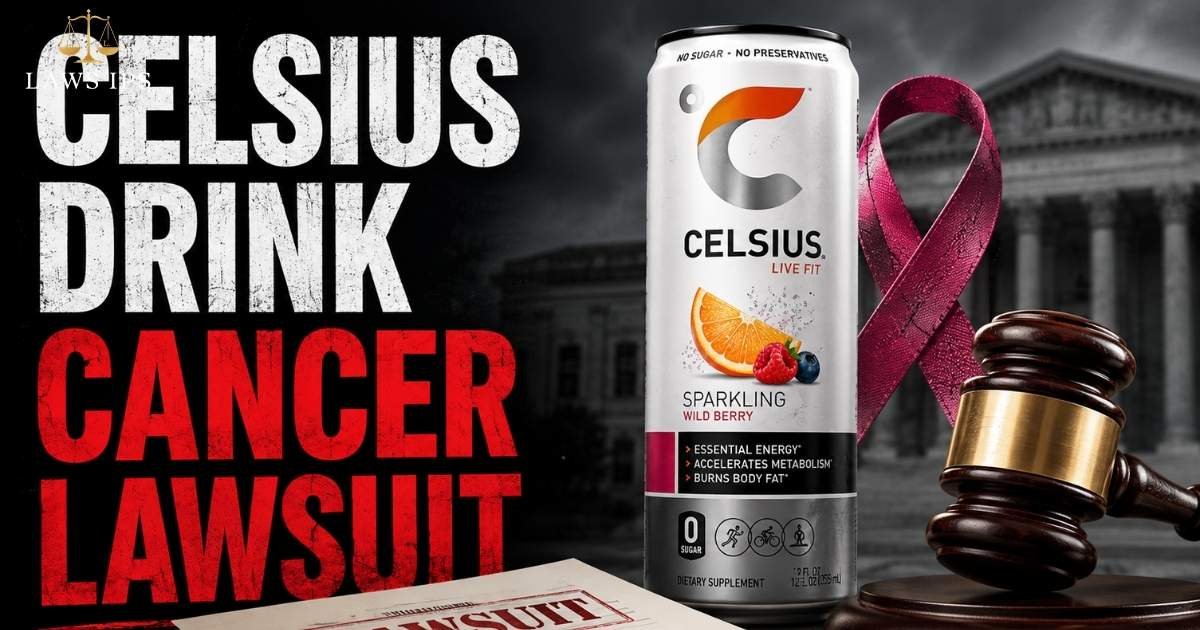

If you have been drinking Celsius energy drinks regularly and are concerned about your health, you are not alone. Thousands of consumers across the United States are asking the same questions: Is there a real lawsuit? What chemicals are involved? Could I qualify for compensation? This guide covers everything you need to know about the Celsius drink cancer lawsuit in 2026, from the specific allegations and chemical concerns to eligibility criteria, settlement status, and how to take action.
What Is the Celsius Drink Cancer Lawsuit?
The Celsius drink cancer lawsuit refers to a body of legal claims and ongoing litigation targeting Celsius Holdings Inc., the maker of the popular Celsius energy drink line. At its core, these lawsuits allege that Celsius products may contain or produce harmful chemicals — including potential PFAS compounds and benzene-forming ingredient combinations — that are linked to serious health conditions, including cancer.
Celsius has long marketed itself as a healthier, fitness-oriented alternative to traditional energy drinks. The brand’s rise has been dramatic, growing from a niche product into one of the top three energy drink brands in the United States. That popularity, however, has drawn increased legal and regulatory scrutiny.
The litigation is not a single case. It is a growing cluster of consumer protection claims, product liability filings, and health-based lawsuits that share a common thread: plaintiffs argue that Celsius Holdings failed to warn consumers about risks tied to regular, long-term consumption of its products.
Where Does the Celsius Energy Drink Lawsuit Stand in 2026?
As of mid-2026, the Celsius lawsuit landscape is active but still developing. There is no single court-certified nationwide class action specifically alleging that Celsius directly causes cancer. However, multiple lawsuits are circulating at various stages of litigation.
Key developments include:
- The 2021 “no preservatives” false advertising class action, which settled for $7.8 million in early 2023, established a legal precedent for holding Celsius accountable for labeling claims.
- The Starks v. Celsius Holdings lawsuit (filed January 2024 in California) alleges the company made unauthorized health claims and misbranded its products without proper FDA clearance.
- Broader cancer-related claims are being pursued in mass tort format, with plaintiff law firms actively recruiting consumers who developed serious illnesses after sustained Celsius use.
- Major mass tort law firms began entering the Celsius cancer litigation in 2024 and expanded significantly through 2025, signaling strong legal confidence in the claims.
The case is at a procedural stage in 2026, with key milestones expected throughout the year.
Is This a Class Action? What That Means for You
Many people assume all consumer lawsuits are class actions, but that is not always the case. The Celsius cancer-related litigation is primarily being pursued as mass tort litigation, not a traditional class action.
Here is the difference:
- Class action: All plaintiffs are grouped together and receive equal or proportional shares of a settlement.
- Mass tort: Each plaintiff files individually, but cases are consolidated for pretrial proceedings. Compensation is based on the individual’s specific harm, medical history, and documented exposure.
For Celsius claimants, this distinction matters. A mass tort approach means your payout could be significantly higher if your medical diagnosis is serious, your exposure was prolonged, and your documentation is strong. It also means that your claim is evaluated on its own merits, not averaged across thousands of plaintiffs.
What Is the PFAS-Cancer Connection in Celsius Drinks?
PFAS stands for per- and polyfluoroalkyl substances. These synthetic chemicals are used in manufacturing processes and packaging, and they are called “forever chemicals” because they do not break down in the human body or the environment.
The concern in the Celsius lawsuit is that PFAS compounds may have entered the product through packaging materials, manufacturing equipment, or ingredient sourcing. Plaintiffs argue that ongoing consumption created long-term chemical buildup in the body.
Research has suggested that PFAS exposure may be tied to numerous health conditions, including kidney cancer, testicular cancer, and increases in cholesterol levels.
PFAS chemicals are considered forever chemicals since they are difficult to break down and last for thousands of years. Because of this persistence, even low-level regular exposure over months or years can accumulate to harmful concentrations.
The EPA has dramatically tightened its standards around PFAS in recent years. In May 2025, there were regulatory shifts around PFAS drinking water standards, reflecting how seriously federal agencies now treat the issue.
Is Benzene in Celsius Drinks Tied to the Cancer Claims?
Benzene is a known human carcinogen. Its presence in beverages gained national attention when independent researchers found that certain drinks containing both ascorbic acid (vitamin C) and sodium benzoate could form benzene under specific conditions such as heat, light, or prolonged storage.
Celsius drinks contain ingredients including citric acid, guarana seed extract, and green tea extract. Some plaintiffs and researchers have raised questions about whether ingredient combinations in energy drinks like Celsius could generate benzene under real-world storage and distribution conditions.
While no definitive published study has confirmed benzene formation in Celsius products specifically, the allegation is part of the broader legal conversation surrounding the drink’s long-term safety. Attorneys involved in the litigation point to the broader energy drink industry pattern of benzene concerns as relevant context for their claims.
What Ingredients in Celsius Are Under Legal Scrutiny?
Several ingredients and labeling decisions in Celsius products have attracted legal and regulatory attention:
Citric Acid: Celsius was sued in 2021 for advertising its drinks as containing “no preservatives” while including citric acid, which functions as a preservative. This led to the $7.8 million settlement in 2023.
Guarana Seed Extract: A source of caffeine and other stimulants. Some scientific literature has raised questions about high-dose guarana and liver stress, particularly with regular consumption.
Green Tea Extract (EGCG): At very high doses, green tea extract has been associated with liver-related health issues in isolated cases, a concern cited in discussions about Celsius’s functional ingredient load.
High Caffeine Content: Celsius contains 200 mg of caffeine per 12 oz can, and the high caffeine content along with the presence of guarana seed extract and green tea extract have been associated in some scientific literature with liver stress at very high doses.
Unauthorized Health Claims: The Starks v. Celsius Holdings lawsuit (2024) specifically challenges the brand’s marketing of its drinks as having drug-like metabolic benefits without proper FDA clearance.
What Health Risks Are Alleged in the Celsius Lawsuit?
Multiple allegations have circulated involving heart problems, kidney damage, cancer concerns, ingredient transparency, and misleading health marketing.
The specific health risks alleged in the cancer-related claims include:
- Kidney cancer
- Bladder cancer
- Testicular cancer
- Thyroid disease and thyroid cancer
- Blood cancers (leukemia and lymphoma)
- Liver damage and elevated liver enzymes
- Cardiovascular complications from high stimulant load
It is important to understand that these are allegations under active legal scrutiny, not confirmed medical conclusions. The scientific debate is ongoing, and Celsius Holdings has not admitted liability in any cancer-related case.
What Symptoms Are Plaintiffs Reporting?
Plaintiffs and consumer reports associated with the Celsius energy drink lawsuit describe a range of symptoms that allegedly followed prolonged, regular consumption:
- Unexplained fatigue and chronic exhaustion
- Elevated liver enzymes discovered during routine blood work
- Irregular heartbeat or palpitations
- Kidney dysfunction or unexplained kidney pain
- Sudden weight changes and metabolic disruption
- Discovery of cancer diagnoses (most commonly kidney, bladder, or blood cancer) in regular consumers with no other obvious risk factors
Many plaintiffs reporting these conditions consumed multiple cans of Celsius per week for six months or more. Medical records showing the timeline of consumption versus symptom onset are a key piece of any individual claim.
Is Celsius Safe to Drink Right Now?
This is the question most consumers want answered. The honest answer is nuanced.
Celsius has not been pulled from shelves. The FDA has not issued a recall or ban on the product as of mid-2026. For the average healthy adult consuming the drink occasionally, the immediate risk profile based on current public health guidance remains relatively low.
However, certain groups should exercise caution:
- People with pre-existing kidney or liver conditions
- Individuals sensitive to high caffeine (200 mg per can is above many daily limits)
- People who consume multiple cans daily over extended periods
- Individuals with a personal or family history of the cancers cited in the lawsuits
If you are concerned, consulting a healthcare provider before continuing regular Celsius consumption is a sensible step. Moderating intake or switching to lower-stimulant alternatives is another option worth discussing with a doctor.
Who Qualifies for the Celsius Cancer Lawsuit?
Based on the current litigation framework, the strongest potential claimants meet several core criteria:
- Regular consumption: Typically defined as drinking Celsius multiple times per week for six months or longer.
- Documented medical diagnosis: Kidney cancer, bladder cancer, testicular cancer, blood cancer, thyroid cancer, or serious liver disease linked to the alleged chemicals are the most commonly cited qualifying conditions.
- Timeline correlation: Your health condition developed or was diagnosed during or after your period of sustained Celsius consumption.
- Medical records: You have healthcare documentation of your diagnosis, treatment history, and related medical expenses.
- Purchase history: Receipts, credit card records, loyalty program data, or subscription history supporting your consumption pattern strengthen your claim considerably.
No final settlement has been reached as of 2026, so exact payout amounts are not confirmed. However, plaintiff attorneys are actively building case portfolios in anticipation of a settlement or trial outcome.
What Is the Celsius Cancer Lawsuit Settlement Status?
As of June 2026, no global settlement has been finalized for the cancer-related Celsius claims. The 2023 false advertising settlement of $7.8 million is closed and no longer accepting new claims.
The cancer and serious health injury cases are in active pre-litigation and early discovery phases. Mass tort firms are consolidating claims and building the scientific and medical evidence base needed for either a negotiated resolution or courtroom action.
Settlement talks at a broader level may accelerate in late 2026 or 2027, depending on how quickly the evidence record develops and whether early bellwether cases produce outcomes that encourage or discourage Celsius Holdings from settling.
How Much Money Could You Get from the Celsius Lawsuit?
Settlement values in mass tort cases involving beverage chemicals and cancer claims vary widely based on individual circumstances. No confirmed Celsius cancer settlement payout has been announced, but comparable mass tort litigation provides a useful benchmark.
Based on previous mass tort cases of a similar nature, top-tier PFAS-related lawsuits could have a potential settlement value ranging from $150,000 to $375,000.
Settlement amounts could range from tens of thousands to over $300,000 for the most severe cases involving cancer.
Factors that affect individual payout amounts include:
- Severity and type of cancer or illness diagnosed
- Duration and frequency of Celsius consumption
- Total documented medical expenses and ongoing treatment costs
- Lost income due to illness
- Pain and suffering documentation
- Strength of the causal link established between consumption and diagnosis
Claims involving a confirmed cancer diagnosis with clear medical documentation tend to yield the highest potential compensation.
What Compensation Can Celsius Lawsuit Claimants Receive?
Successful plaintiffs in mass tort litigation like the Celsius cancer lawsuit may be eligible to recover several categories of damages:
Economic Damages:
- Past and future medical bills
- Lost wages and reduced earning capacity
- Cost of ongoing treatment, medication, and care
Non-Economic Damages:
- Pain and suffering
- Emotional distress
- Loss of enjoyment of life
- Impact on relationships and family life
Punitive Damages: In cases where a court finds that a company acted with deliberate negligence or concealed known risks, additional punitive damages may be awarded. These are not guaranteed but have been a feature of major mass tort resolutions in similar consumer product cases.
Most plaintiff attorneys in this litigation work on a contingency fee basis, meaning you pay nothing upfront. Attorney fees are collected only if and when your case resolves successfully.
Celsius Lawsuit Settlement Update 2026: What Changed?
Several important developments shaped the Celsius lawsuit landscape heading into 2026:
- Major national mass tort law firms continued expanding their Celsius caseloads through 2024 and 2025, a significant indicator of litigation momentum.
- Scientific research on PFAS and cancer continued to strengthen, with new peer-reviewed publications adding to the evidence connecting chemical exposure to specific cancer types.
- Congressional attention on PFAS in consumer products broadened to include beverages, adding political pressure on manufacturers and regulators alike.
- Some state attorneys general initiated separate investigations into PFAS contamination levels in packaged beverages, including energy drinks.
- The 2025 alcohol recall incident — in which a third-party packaging supplier mislabeled High Noon vodka seltzer products as Celsius Astro Vibe — raised further questions about Celsius’s supply chain oversight.
These developments collectively suggest that 2026 will bring significant forward movement on the litigation timeline.
Latest News on the Celsius Energy Drink Lawsuit
The most recent updates on the Celsius energy drink lawsuit as of June 2026:
- As of mid-2026, there is no court-certified, multi-plaintiff class action lawsuit against Celsius Holdings specifically alleging that drinking Celsius causes cancer, though the online interest in a Celsius cancer lawsuit stems from general concerns about high caffeine content and broader industry discussions about energy drink safety.
- The Starks v. Celsius Holdings misbranding lawsuit (filed January 2024 in California) remains in active litigation and could develop into a class action affecting a larger pool of consumers.
- Celsius Holdings completed the acquisition of Alani Nu in 2025 for approximately $1.8 billion, reflecting continued corporate expansion even as legal scrutiny intensifies.
- Plaintiff attorneys are monitoring new scientific publications and regulatory actions to strengthen the evidentiary basis for the cancer claims.
How to File a Claim in the Celsius Lawsuit
If you believe you may qualify for the Celsius cancer lawsuit, here are the steps to take:
- Document your consumption history. Gather any receipts, bank records, or loyalty program data showing how often and how long you purchased Celsius drinks.
- Gather your medical records. Collect all records related to your diagnosis, treatments, hospital visits, lab results, and prescriptions since you began drinking Celsius regularly.
- Consult a product liability attorney. Look for law firms specializing in mass tort or product liability cases. Most offer free initial consultations and work on contingency.
- Complete a case evaluation form. Many plaintiff firms handling Celsius claims allow you to submit basic information online for an initial eligibility review.
- Follow your attorney’s guidance. Your attorney will advise on whether to file individually, join a multi-district litigation group, or wait for a class action certification, depending on how the case evolves.
Acting promptly is important. Statutes of limitations vary by state, and delays can affect your eligibility.
What Is the Filing Deadline for the Celsius Energy Drink Lawsuit?
There is no single universal deadline for all Celsius lawsuit claims. Deadlines, called statutes of limitations, vary by state and by the type of claim being filed. In most states, product liability and personal injury claims must be filed within two to four years of the date you knew or should have known about your injury.
Key points to understand:
- The clock may start from the date of your medical diagnosis, not the date you first drank Celsius.
- Some states apply a “discovery rule” that extends the deadline if your injury was not immediately obvious.
- Waiting too long could permanently bar you from filing, regardless of how strong your case is.
Consulting an attorney as soon as possible is the safest approach to protecting your legal rights.
What Is the Current Status of the Celsius Lawsuit?
To summarize the current litigation landscape as of June 2026:
- Celsius came under scrutiny beginning in late 2022 and early 2023 when a class action lawsuit was filed alleging the company falsely advertised its products as containing “no preservatives,” while they actually contained citric acid, a preservative. The company later settled this false advertising lawsuit for $7.8 million in early 2023.
- The cancer-related mass tort claims are in active pre-settlement litigation, with no final resolution yet announced.
- The Starks misbranding lawsuit (California, 2024) is in active litigation.
- Plaintiff law firms are actively recruiting new claimants and building evidentiary records.
- No Celsius product has been recalled or removed from sale by regulators as of this writing.
- Settlement activity is expected to increase through late 2026 and into 2027.
Frequently Asked Questions
Is there a confirmed Celsius cancer lawsuit?
There is no single court-certified class action cancer lawsuit against Celsius as of 2026, but mass tort firms are actively pursuing cancer-related claims on behalf of individual plaintiffs.
What chemicals in Celsius are linked to cancer claims?
PFAS compounds (allegedly entering through packaging or manufacturing) and potential benzene-forming ingredient combinations are the primary chemical concerns raised in the litigation.
Who is eligible to file a claim?
Regular Celsius consumers who developed serious health conditions, particularly kidney, bladder, testicular, or blood cancers, after sustained consumption may qualify. Medical documentation is essential.
Has Celsius been recalled?
No. As of June 2026, Celsius products remain on shelves and have not been subject to an FDA recall related to cancer concerns.
What is the average settlement amount for the Celsius lawsuit?
No confirmed settlement amounts exist yet. Comparable PFAS mass tort cases have produced payouts ranging from tens of thousands to over $300,000 for severe cancer cases, depending on individual circumstances.
How long does it take to resolve a mass tort claim?
Mass tort cases typically take two to five years from initial filing to final resolution, though individual cases may settle earlier during the pretrial period.
Can I still file a claim if I stopped drinking Celsius years ago?
Possibly. Statutes of limitations vary by state, and the discovery rule may extend your window. Consulting a product liability attorney will clarify your specific situation.
Do I need to pay a lawyer upfront?
No. Most plaintiff attorneys handling Celsius cancer claims work on contingency, meaning you owe nothing unless your case succeeds.
Is Celsius safe to drink right now?
No regulatory body has banned Celsius as of mid-2026. However, people with health concerns, pre-existing conditions, or who consume large daily quantities should speak with a doctor and monitor the litigation closely.
Where can I get the latest Celsius lawsuit updates?
Monitor legal news sites like ClassAction.org, TopClassActions.com, and legal news publications. Signing up with a plaintiff law firm for case updates is also an effective way to stay informed.
Conclusion
The Celsius drink cancer lawsuit represents a serious and evolving area of consumer product litigation. While no court-certified nationwide cancer class action against Celsius has been finalized as of mid-2026, the mass tort litigation is moving forward with growing scientific support and major law firm investment. If you drank Celsius regularly and later developed a serious health condition — especially kidney, bladder, testicular, or blood cancer — consulting a product liability attorney is a prudent next step. Acting now protects your legal window and ensures you do not miss any filing deadlines. Stay informed, document your history, and seek qualified legal advice before making any decisions about your case.

Daniel Christopher is the founder and administrator of LawsIps.com. He is passionate about making legal information easier to understand through clear, well-researched, and reader-friendly content. His goal is to help readers stay informed about legal topics, court updates, consumer rights, and educational legal resources in simple language.