
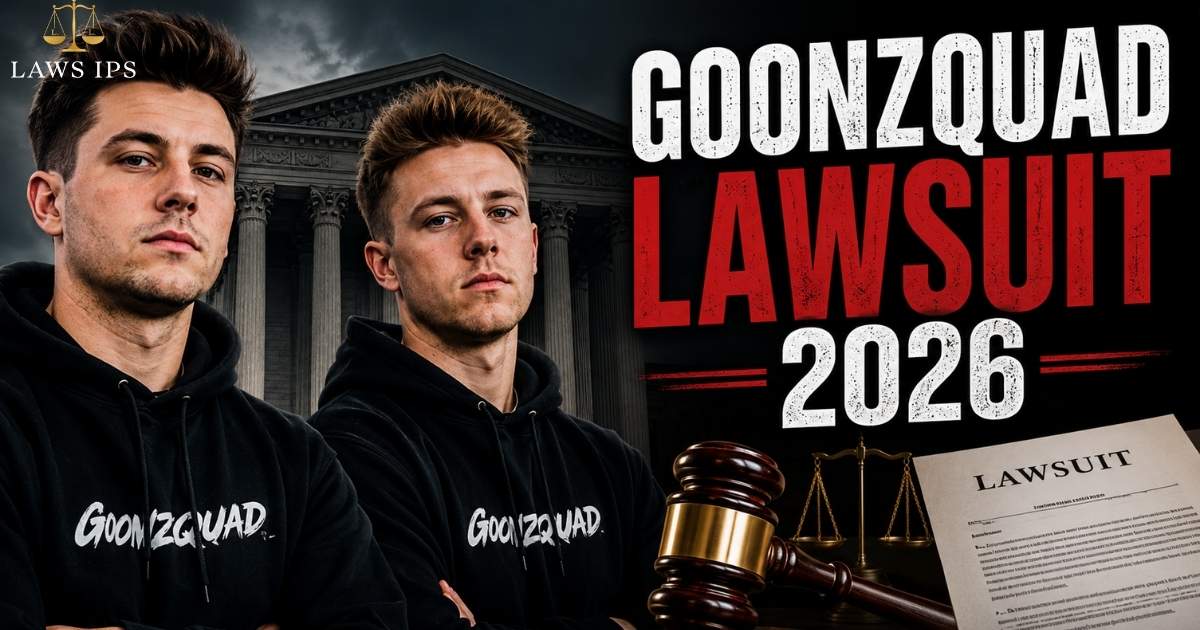

If you searched “Goonzquad lawsuit,” you’ve probably landed on a handful of blog posts that all say slightly different things. Some name the brothers “Billy and Simon Sprinkle.” Others call them “Life and Apollo” or “Eli and Ethan.” One site even describes a copyright case that was supposedly “settled” in 2023 with no court record to back it up.
That inconsistency is the first clue that something is off. This guide sorts fact from rumor, using verifiable public information about Goonzquad, the real Chattanooga, Tennessee based car restoration channel run by brothers Eleazar and Simeon. You’ll get a clear picture of what’s actually documented, where the “lawsuit” talk originated, and what to do if you’re worried about giveaway scams tied to their name.
What Is the Goonzquad Lawsuit?
The phrase “Goonzquad lawsuit” doesn’t point to one specific court case. It’s an umbrella term that shows up across dozens of near-identical blog posts, and it functions more like a search trend than a legal story.
Here’s what that means in practice:
- No major news outlet has reported a formal, filed lawsuit against Goonzquad or its owners.
- No court docket, case number, or named plaintiff has been consistently cited across sources.
- The articles using this phrase frequently contradict each other on basic facts, including the brothers’ names.
In short, “Goonzquad lawsuit” is best understood as a search-driven topic that grew because curious fans typed the phrase into Google, not because a documented legal case exists. That distinction matters if you’re trying to separate real consumer protection concerns from manufactured drama.
What Actually Happened to Goonzquad?
Goonzquad is a real and long-running YouTube channel. The brothers, Eleazar (once nicknamed “Billy” in early videos) and Simeon, started uploading car and quad content in December 2015 and grew the channel by rebuilding wrecked vehicles from start to finish, including a Lamborghini Huracán, a Ferrari, a Dodge Viper, and multiple trucks and muscle cars.
They’re the sons of Ukrainian immigrants and built their first projects in their parents’ driveway before eventually opening a dedicated shop in Chattanooga. Over the years, the channel expanded into:
- Full vehicle rebuild series spanning dozens of episodes per car
- A branded merchandise store at goonzquad.com
- Regular high-value sweepstakes giveaways, including cars, trucks, and cash prizes
- Sponsorship deals with automotive and lifestyle brands
Nothing in that trajectory involves a documented lawsuit. What did happen is that the channel’s popularity, combined with its car-flipping business model, made it a natural target for speculative “lawsuit” and “controversy” content designed to capture search traffic from curious fans.
Have the Goonzquad Brothers Been Sued?
Based on publicly available records and reputable reporting, there is no confirmed, formally filed lawsuit against the Goonzquad brothers as of 2026.
That’s worth stating plainly because a lot of the content ranking for this topic implies otherwise without ever citing a case number, court, or plaintiff. A few things to know:
- Civil lawsuits are public record. If a formal case existed, it would typically be searchable through state or federal court databases.
- No credible news organization has published a story naming Goonzquad, Eleazar, or Simeon as defendants in an active case.
- Several competing blog posts describe entirely different alleged lawsuits (a copyright dispute, a fraud case, a vehicle-sales dispute), which is a strong sign the content is speculative rather than sourced from actual filings.
If a genuine legal case is ever filed and confirmed through court records or mainstream reporting, that’s the kind of update worth tracking. Until then, the “sued” claim remains unverified.
What Are the Goonzquad Fraud Allegations?
Several low-authority sites list “fraud allegations” against Goonzquad, typically grouped into title fraud, odometer fraud, and deceptive sales practices. Here’s the important context those articles leave out.
- None of these allegations are tied to a named plaintiff, a filed complaint, or an identifiable legal proceeding.
- The claims tend to be phrased generically, describing what fraud “could” look like in a car-flipping business rather than what specifically happened.
- Different sites describe different alleged violations, which suggests the content was generated to match search demand rather than reported from a real case.
This doesn’t mean vehicle fraud isn’t a real legal category. It absolutely is, and it’s worth understanding in general terms. It just means there’s currently no verified link between that legal category and Goonzquad specifically.
What Is the Goonzquad Vehicle Fraud Claim?
Vehicle fraud, broadly speaking, refers to misrepresenting a car’s condition, history, or mileage during a sale. It typically falls under state consumer protection law and, in some cases, federal statutes.
Common forms include:
- Selling a rebuilt or salvage vehicle without disclosing its title status
- Misrepresenting the extent of prior damage
- Concealing known mechanical defects
- Falsifying maintenance or repair records
Car-flipping content creators, including Goonzquad, document their rebuilds publicly, which is actually the opposite of concealment. Every stage of a build, from auction purchase to final repair, is typically shown on camera. That transparency is part of why the channel built trust with viewers in the first place, and it’s also why a specific, documented fraud claim would be notable if one existed. As of now, no such documented claim has surfaced.
Did Goonzquad Commit Odometer Fraud?
There is no verified evidence that Goonzquad has committed odometer fraud.
Odometer fraud is a specific federal offense under the Truth in Mileage Act, which requires accurate mileage disclosure during vehicle title transfers. Violations can carry penalties in the thousands of dollars per incident, and cases are typically pursued by state attorneys general or the National Highway Traffic Safety Administration.
If a real odometer fraud case existed against a public figure with millions of subscribers, it would likely draw regulatory attention and mainstream news coverage given the scale of exposure. That hasn’t happened here. The odometer fraud claim appears to be part of the same generic allegation template used across several low-quality “lawsuit” articles rather than a substantiated, sourced accusation.
What Is Title Washing and How Does It Relate to Goonzquad?
Title washing is a genuine and serious problem in the used car industry. It happens when a vehicle with a salvage, flood, or rebuilt title is moved through one or more states with weaker disclosure laws until its title appears “clean,” effectively hiding its damage history from a future buyer.
Key facts about title washing:
- It’s illegal under both state and federal law.
- It artificially inflates a vehicle’s resale value.
- It’s most common with vehicles sold across state lines through private sales or auctions.
Here’s the disconnect: Goonzquad’s entire content format is built around showing salvage titled and wrecked vehicles being rebuilt on camera, step by step, which is the opposite of hiding a vehicle’s history. Viewers watch the exact repair process. No credible source has connected the channel to an actual title washing case, and the visible, documented nature of their rebuilds runs counter to how title washing typically works.
Is the Goonzquad Car Flipping Lawsuit Real?
As of 2026, there is no confirmed “car flipping lawsuit” tied to Goonzquad that’s been verified through court records or mainstream reporting.
Car flipping itself, buying a damaged or undervalued vehicle, repairing it, and reselling for profit, is completely legal. Legal exposure only enters the picture when a flip involves misrepresentation to a buyer. A few points worth understanding about this space generally:
- Buyers in private vehicle sales have fewer legal protections than buyers at licensed dealerships.
- Disclosure requirements vary significantly by state.
- Documented, on-camera rebuilds actually reduce a seller’s legal exposure by creating a public record of the vehicle’s history.
Until a specific, sourced case appears, the “car flipping lawsuit” label attached to Goonzquad should be treated as unverified.
What Is the Goonzquad Consumer Fraud Concern?
The consumer fraud concern that does have a real basis isn’t about vehicle sales. It’s about giveaway and sweepstakes scams that impersonate the Goonzquad brand.
Goonzquad’s own official channels have repeatedly and explicitly warned fans about this. Their store policy page states plainly that they will never ask a winner to pay to receive a prize, and that winners are never first contacted through social media unless the fan messaged them first. That warning exists because scammers do impersonate popular giveaway accounts, not because Goonzquad’s official sweepstakes have been found fraudulent.
This is an important distinction for readers to understand:
- Legitimate Goonzquad giveaways are run through a licensed sweepstakes administrator with published official rules.
- Scam accounts mimicking Goonzquad’s branding are a separate, real problem affecting fans.
- Confusing the two is likely part of why “scam” and “fraud” language became attached to the brand’s name in search results.
What Are the Goonzquad Scam Accusations About?
Most “scam” chatter connected to Goonzquad traces back to fake social media accounts and impersonation attempts, not the channel’s official business practices. Typical patterns fans report include:
- A fake account contacts someone claiming they won a Goonzquad giveaway.
- The scammer asks for a shipping fee, tax payment, or personal financial information to “release” the prize.
- The account uses stolen photos and branding from the real Goonzquad channel to appear legitimate.
Goonzquad’s official site directly addresses this pattern, stating that real winners are contacted through their sweepstakes agency by email or phone, never first through social media, and are never asked to pay anything to receive a prize. Anyone contacted otherwise is very likely dealing with an impersonator, not the actual brand.
Is There a Goonzquad Settlement in 2026?
No publicly confirmed settlement has been reported in connection with Goonzquad as of 2026.
Since there’s no verified underlying lawsuit, there’s also no settlement to report. A couple of the lower-quality sites covering this topic reference a “settlement,” but without a matching filed case, a settlement claim can’t be independently verified. If a real settlement is ever announced through a credible source, that would be worth revisiting, but nothing meets that bar right now.
What Is the Goonzquad Legal Status in 2026?
Based on everything publicly available, Goonzquad’s legal status in 2026 is best described as unremarkable. There is:
- No confirmed active lawsuit
- No confirmed settlement
- No regulatory action reported by a credible news source
- Continued, uninterrupted business activity, including active giveaways and merchandise sales through 2026
The channel continues operating its official sweepstakes program with published legal rules, a licensed sweepstakes administrator, and standard eligibility requirements, which is consistent with a business operating normally rather than one under active legal pressure.
What Are Goonzquad Fan Recourse Options?
If you’re a fan who’s had a genuine bad experience, whether with a purchase, a giveaway entry, or a suspected scam account, here’s what actually helps:
- Read the official rules first. Goonzquad publishes detailed sweepstakes rules on its site, including entry methods, eligibility, and prize details. Most confusion gets resolved here.
- Verify you’re on the real site. Only goonzquad.com and their verified social accounts represent the actual brand.
- Never pay to claim a prize. This is the single most reliable scam indicator across every legitimate sweepstakes brand, not just Goonzquad.
- Keep records. Save order confirmations, entry receipts, and any suspicious messages if you plan to report an issue.
- Report impersonation. Fake accounts can be reported directly to the platform (Instagram, Facebook, TikTok) and, if money was involved, to the FTC’s complaint portal.
- Contact your state attorney general’s consumer protection office for a genuine, unresolved dispute involving a real purchase.
How Did the Goonzquad YouTube Controversy Start?
The “controversy” narrative appears to have grown out of a mix of ordinary factors that are common to any large YouTube channel, rather than one specific triggering event.
- Search demand outpacing real news. Fans naturally search terms like “lawsuit,” “scandal,” or “what happened to,” even when nothing dramatic has occurred, and content sites are built to capture exactly that traffic.
- Giveaway skepticism. High-value car giveaways understandably invite scrutiny, and that skepticism gets mislabeled as “fraud” in search-optimized content.
- Scam impersonation. Fake accounts targeting Goonzquad’s fanbase created real, valid consumer complaints, which then got loosely folded into broader “lawsuit” narratives online.
- Unrelated name collisions. Some content, particularly on platforms like TikTok, appears to conflate Goonzquad with an entirely unrelated case involving Mississippi law enforcement officers who used the nickname “Goon Squad.” These are two completely different subjects.
Put together, these threads created enough search volume for an entire cottage industry of “Goonzquad lawsuit” articles, most of which recycle the same unverified claims from one another.
How Has the Lawsuit Impacted Goonzquad Brothers Net Worth?
Since no verified lawsuit or settlement exists, there’s no documented financial impact to report. Publicly available net worth estimates for Goonzquad vary widely between roughly $4 million and $6 million, sourced from third-party influencer earnings trackers rather than official financial disclosures, so these figures should be treated as rough estimates rather than confirmed numbers.
Their revenue is generally understood to come from a mix of:
- YouTube ad revenue across a multi-million subscriber channel
- Merchandise sales through goonzquad.com
- Profit from rebuilt and resold vehicles
- Brand sponsorships and affiliate partnerships
Continued, active giveaways and product launches through 2026 suggest ongoing normal business operations rather than financial strain from litigation.
Are the Goonzquad Brothers Still Active in 2026?
Yes. Goonzquad remains an active channel and brand in 2026. Their official store continues running sweepstakes campaigns with entry periods and winner announcements dated well into 2026, and their merchandise and giveaway operations show no signs of slowdown. This level of continued, routine business activity is generally inconsistent with a brand facing serious unresolved legal trouble.
Frequently Asked Questions
Is the Goonzquad lawsuit real?
No formally filed, verifiable lawsuit against Goonzquad has been confirmed through court records or credible news reporting as of 2026.
Who are the Goonzquad brothers?
They are Eleazar and Simeon, two Ukrainian American brothers from Chattanooga, Tennessee, known for rebuilding wrecked cars on YouTube.
Did Goonzquad commit odometer fraud?
There is no verified evidence supporting an odometer fraud claim against Goonzquad.
Has Goonzquad settled a lawsuit?
No publicly confirmed settlement exists, since there is no verified underlying case to settle.
Are Goonzquad giveaways legitimate?
Yes, their official sweepstakes run through a licensed administrator with published rules, though fans should watch for unrelated scam accounts impersonating the brand.
What should I do if a “Goonzquad” account asks me to pay for a prize?
Stop communicating immediately. Goonzquad’s official policy states winners never pay to receive a prize, so this is a scam.
Are the Goonzquad brothers still making videos in 2026?
Yes, the channel remains active with ongoing rebuild content, merchandise sales, and giveaways.
Final Thoughts
The honest answer to “what’s going on with the Goonzquad lawsuit” is that there isn’t a documented one to report. What exists is a cluster of search-optimized articles recycling vague, unsourced fraud claims, alongside a genuine and separate issue: scammers impersonating a popular giveaway brand to target fans.
If you’re a fan, the useful takeaway isn’t to worry about a legal case with no court record behind it. It’s to protect yourself from impersonation scams by verifying you’re on Goonzquad’s official channels, never paying to claim a prize, and reading the published sweepstakes rules before entering. If a real, verifiable legal development ever emerges, it will show up in court records and mainstream reporting, not just in another recycled blog post.

Daniel Christopher is the founder and administrator of LawsIps.com. He is passionate about making legal information easier to understand through clear, well-researched, and reader-friendly content. His goal is to help readers stay informed about legal topics, court updates, consumer rights, and educational legal resources in simple language.