
Pickleball Injuries on Poorly Maintained Courts: Who Is Liable?
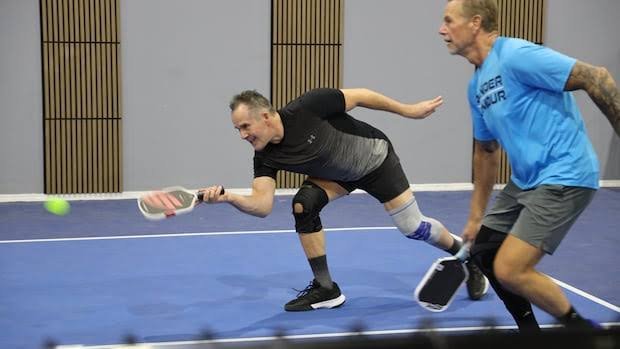
Spend an afternoon in almost any park, rec center, or neighborhood club around Atlanta, and you’ll hear the constant pop of pickleball paddles. Most players go on the court expecting a good workout and maybe a sore knee the next day—not a serious fall due to a neglected playing surface. But when a deep crack, a slippery patch of standing water, or a broken net post sends someone crashing to the concrete, the accident raises fair questions about liability. Understanding property responsibility can help you explore your legal options before medical bills start piling up.
Common Surface Hazards That Turn Play Dangerous
The fast-paced nature of Pickleball requires players to perform quick movements in all directions, including side-to-side shuffles, sudden stops, and backward steps near the baseline of the court. Even small imperfections in the court’s surface can lead to falls. The high humidity and rainfall throughout metro Atlanta have contributed to the degradation of many Pickleball courts. In addition to the imperfections in the surface of the court itself, other hazards such as loose fencing around the court, faded lines on the court, and uneven transitions from the court to the surrounding areas have contributed to the dangers of playing Pickleball. Also, medical data regarding Pickleball-related injuries shows that falls onto these hard surfaces often result in serious injuries to the wrists, ligaments, and lower extremities of the players.
Sorting Out Who Owns and Controls the Court
Figuring out who had the job of fixing a bad court is rarely as simple as reading the name on the sign out front. A pickleball facility might belong to a private athletic club, sit inside a neighborhood HOA, operate under a commercial lease, or fall under a city or county parks department. Under Georgia premises liability law, owners and occupiers who invite visitors onto their property owe a duty of ordinary care to keep both the courts and surrounding approaches reasonably safe. Untangling maintenance contracts, lease agreements, and municipal notice deadlines is often where atlanta personal injury attorneys focus first when evaluating a claim.
Normal Sports Risk Versus Preventable Court Neglect
Every athlete understands that there will be some physical risks to their sports; an ankle can roll during a pivot, for instance. However, facilities must ensure that these courts are laid out, shaded, and lit following the guidelines for those sports, so that athletes do not have to navigate through glare, shadows, or crumbling concrete. In Georgia, the courts have determined that liability falls upon the owner if he has actual or constructive knowledge of the defect in the court.
Gathering Proof Before the Surface Gets Patched
One annoying fact of court injury cases is how quickly physical evidence disappears once someone’s been injured. A property manager could replace a dead floodlight, power-wash slick mildew, or patch a jagged crack within days of an accident. If you can physically do so, or if one of your playing partners can help, take clear photos and short videos of the specific hazard from different angles, with a paddle or shoe nearby to provide context. Write down the names of witnesses. Get staff to record the fall in a formal incident report. Save every discharge summary your doctor gives you. Good early documentation makes it much easier to explore your legal options later.
Protecting Your Health and Rights After a Court Fall
Falling on a neglected pickleball court can prevent you from working, performing your daily routines, and enjoying the game for months. For property owners who receive benefits from pickleball clubs, homeowners associations, or the general public, maintaining the safety of their courts is their responsibility. If an avoidable hazard on their court has caused you to be placed in a cast or physical therapy, ensure that you seek proper medical care and document the incident. By taking such steps, you will be better prepared to hold the responsible party accountable for your injuries.

Sam Kuran writes for LawSips about legal topics, law firm marketing, and technology. His articles use plain English and practical examples to help readers understand legal terms and explore how law firms use technology to manage their work and reach clients.