Should a Driver Face Additional Liability for Speeding in a Pedestrian-High Area?
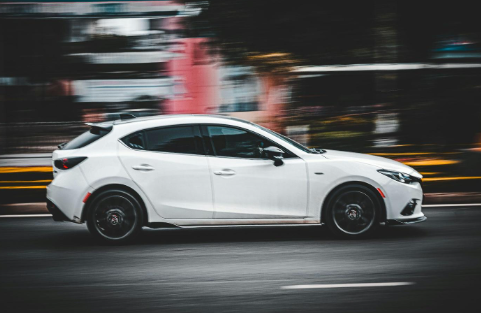
Yes. In many cases, a driver who speeds where pedestrians are common can face greater legal responsibility than one who speeds elsewhere. Courts and insurers generally expect drivers to take extra care near schools, crosswalks, downtown streets, and busy neighborhoods.
Pedestrians have almost no protection when a vehicle strikes them, and higher speeds leave drivers less time to stop. That is why injuries caused by speeding accidents in busy walking areas are often severe and why the law treats this conduct seriously. The added liability can be civil, criminal, or both, depending on the facts and the state.
Let’s have a deeper look at this!
When Can Speeding in a Pedestrian-High Area Increase Liability?
These situations can make a claim against a speeding driver much stronger.
Speeding in School Zones or Posted Safety Zones
Many states set lower speed limits near schools, and some increase fines for violations in these zones. Exceeding a reduced limit shows the driver ignored a warning designed to protect pedestrians.
Driving Too Fast for Conditions
A driver can be careless even while staying under the posted limit. Heavy foot traffic, events, or darkness may require a slower speed than the sign allows.
Ignoring Crosswalks and Visible Pedestrians
Drivers must watch for people entering marked and unmarked crosswalks. Speeding past a car stopped at a crosswalk can be strong evidence of careless driving.
What Legal Principles Apply to Speeding Drivers?
Speeding cases usually turn on negligence, which means failing to use reasonable care. Every driver owes pedestrians a duty to watch the road, keep control of the vehicle, and choose a safe speed.
Under Georgia Code § 40-6-180, drivers must maintain a reasonable and prudent speed based on existing conditions and potential hazards. The law specifically requires lower speeds when special hazards exist involving pedestrians or other traffic. A driver who ignores these conditions may face liability if their conduct contributes to a pedestrian accident.
When a driver ignores that duty where people are walking, several legal principles can increase their exposure:
- Negligence per se: In many states, breaking a speed limit can count as negligence by itself because the law exists to prevent this type of harm. Other states treat it as evidence of negligence.
- Comparative fault: Most states reduce a pedestrian’s compensation by their own share of blame, and a driver who sped through a crowded area often bears the larger share.
- Punitive damages: Some states allow these for reckless conduct, such as racing past a school at dismissal time.
- Criminal penalties: Speeding that injures or kills a pedestrian may lead to reckless driving or vehicular homicide charges.
Because these rules differ by state, local law decides the outcome. This article provides general information, not legal advice.
What Evidence Can Help Prove the Driver Was Speeding?
- Police crash reports and any speeding citation
- Traffic camera, dashcam, or nearby business video
- Event data recorder (“black box”) information
- Skid marks and accident reconstruction analysis
- Statements from independent witnesses
What Steps Should You Take After a Pedestrian Accident?
- Get medical care right away.
- Call the police and request a copy of the crash report.
- Photograph the scene, nearby signs, crosswalks, and your injuries.
- Collect witnesses’ names and contact details.
- Check your state’s deadline for filing an injury claim.
Frequently Asked Questions
-
Can a speeding driver be liable if the pedestrian was jaywalking?
Often, yes. Most states reduce the pedestrian’s compensation rather than eliminate it, although a few bar recovery if the pedestrian was even slightly at fault.
-
Does a speeding ticket prove the driver caused the accident?
Not on its own. The injured person must generally show that the speeding contributed to the crash and injuries.
Key Takeaways
- A driver who speeds in a pedestrian-high area can face greater civil liability, and sometimes criminal charges, than one who speeds elsewhere.
- Speeding near schools, crosswalks, and busy streets can make fault easier to prove.
- In many states, breaking a speed limit can count as negligence per se.
- A pedestrian’s own mistakes may reduce compensation but rarely excuse a speeding driver entirely.
- Video, black box data, and witness statements are key evidence of speed.
- Liability rules and filing deadlines vary by state.