
Who Pays When a Landlord’s Faulty Wiring Causes a Burn Injury in a Tucson Apartment
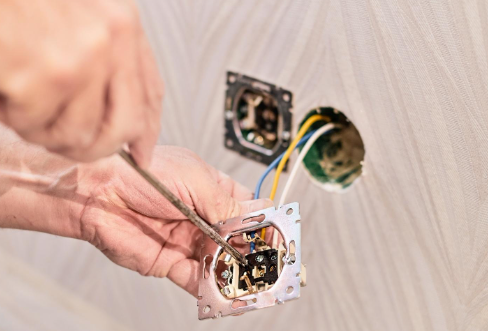
A landlord could be held financially liable if a tenant suffers burns from inadequate electrical wiring in their Tucson apartment. Arizona law requires property owners to maintain safe electrical systems, correct hazardous conditions, and complete necessary repairs.
Tucson is located in Pima County and experiences a hot desert climate, making electrical safety an important consideration in residential properties. The city has a mix of older and newer apartment buildings, which may present different electrical maintenance challenges.
When a landlord fails to address unsafe wiring and someone gets injured, the tenant may have grounds for a personal injury claim. A burn injury lawyer in Tucson can help prove negligence, determine who is at fault, and seek compensation for physical and economic damages arising from the burn.
Let’s dive in!
Who Is Responsible for Burn Injuries Caused by Faulty Wiring?
Financial responsibility for a faulty wiring burn injury could fall on several parties, depending on their involvement.
The Landlord or Property Owner
The landlord will usually be responsible for the maintenance of electrical installations and known hazards. If there are wires that are exposed, outlets that are damaged, or if there are frequent electrical issues, it can be considered negligence if something happens as a result of this.
Property Management Companies
A management company can be held liable if it has responsibility for the maintenance, if it is contacted for electrical repair complaints, or if it negligently does not respond to electrical hazard reports.
Electrical Contractors
If there was a faulty installation, improper repairs, or negligent electrical work that caused the accident, the electrician or contractor could be held responsible.
Why Can Faulty Wiring Cause Serious Burn Injuries?
Electrical injuries may be fatal and cause serious burns and internal injuries. The victim can suffer from deep tissue injury, nerve damage, scarring, and a host of complications that may require extended medical care.
Which Laws Govern a Landlord’s Liability in Arizona?
According to the Arizona Revised Statutes § 33-1324, landlords must keep electrical facilities and appliances in good and safe working condition. It also demands that they make the required repairs and ensure that the premises are habitable.
Pro Tip
Maintain copies of maintenance requests, medical records, communications with property management, and photographs of electrical hazards. The documents can help prove negligence for a compensation claim.
What Should You Do After an Electrical Burn Injury?
- Seek immediate medical attention, even if external burns don’t seem that bad.
- Report to the landlord and record the electrical hazard.
- Keep photos, witness statements, repair records, medical bills, etc.
- Talk to your personal injury lawyer to determine liability and compensation.
Frequently Asked Questions
- Can a landlord be responsible if an electrician installed the faulty wiring?
Yes. Depending on the circumstances, both the landlord and the negligent contractor can be liable.
- What compensation can an injured tenant recover?
The damages may be medical, lost wages, pain and suffering, and future medical treatment costs.
- Does a tenant have to prove the landlord knew about the wiring problem?
Not necessarily. Evidence that the landlord should have reasonably known of the dangerous condition may also be used to support a negligence claim.
Key Takeaways
- In cases of burn injuries by the hands of a tenant, the landlord is at fault for the lack of maintenance and can be liable to pay.
- Landlords in Arizona are required to have safe electrical installations.
- Additionally, property managers and or negligent contractors could be held liable.
- Medical records and maintenance issues may bolster liability claims.
- Compensation can include lost wages, pain and suffering, and medical expenses.