Phoenix’s Water Park and Recreational Facility Accidents: Understanding Liability for Visitor Injuries
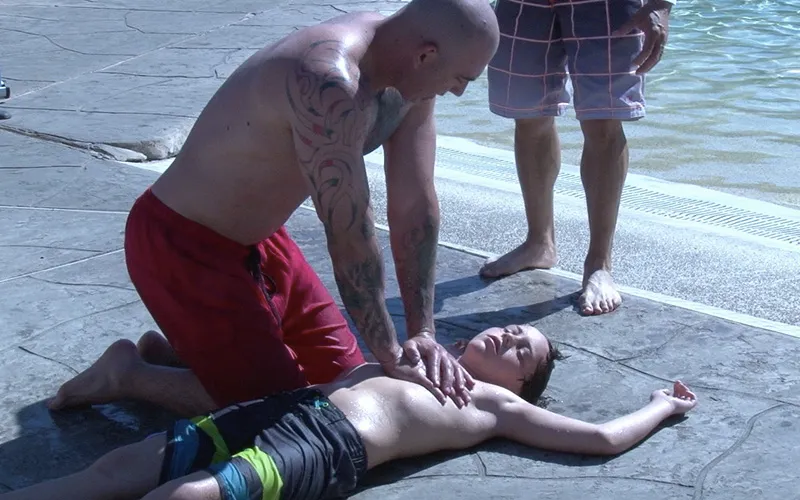
Water parks and recreational facilities are popular destinations in Phoenix, particularly during Arizona’s intense summer heat. From wave pools and water slides to lazy rivers and family splash areas, these attractions offer visitors opportunities to cool off and enjoy outdoor activities. However, behind the entertainment are important safety responsibilities. Poorly maintained equipment, slippery walkways, inadequate supervision, and unsafe water conditions can turn an enjoyable visit into a serious accident.
When a visitor suffers an injury at one of these facilities, determining responsibility may involve several parties and complicated legal considerations. Understanding when to consult a personal injury lawyer in Phoenix can help injured visitors evaluate whether negligence contributed to the incident and what legal remedies may be available.
Common Causes of Water Park and Recreational Facility Accidents
Water parks combine moving equipment, wet surfaces, large crowds, and activities that carry inherent physical risks. Although some accidents are unavoidable, others result from preventable safety failures.
Common causes include:
- Slippery walkways: Wet concrete, algae buildup, and inadequate drainage can create hazardous walking surfaces.
- Water slide defects: Poorly maintained slides, exposed edges, damaged joints, or malfunctioning equipment can cause serious injuries.
- Inadequate lifeguard supervision: Insufficient staffing or delayed emergency responses can increase the consequences of swimming-related incidents.
- Unsafe pool conditions: Incorrect water depth markings, defective drains, and poorly maintained filtration systems can expose visitors to danger.
- Overcrowding: Excessive visitor numbers can make supervision difficult and increase the likelihood of collisions.
- Improperly maintained recreational equipment: Damaged playground structures, loose handrails, and defective climbing equipment can cause falls and other injuries.
In Phoenix, extreme temperatures also create additional concerns. Excessively hot surfaces, inadequate shade, and poorly maintained hydration facilities may contribute to heat-related illnesses among visitors.
Who Can Be Held Responsible for Visitor Injuries?
Liability depends on the circumstances of the accident, the ownership of the facility, and who controlled the dangerous condition.
1. Water Park and Facility Owners
Private facility owners generally have responsibilities to maintain reasonably safe premises for authorized visitors. This includes conducting inspections, addressing known hazards, repairing defective equipment, and providing appropriate warnings.
For example, if management receives repeated complaints about a damaged pool ladder but fails to repair or restrict access to it, that failure may become important evidence in a negligence claim.
2. Facility Operators and Management Companies
Some recreational attractions are operated by companies separate from the property owner. These operators may oversee daily activities, employee training, lifeguard scheduling, crowd management, and equipment inspections.
If inadequate supervision or poor operational procedures contribute to an injury, the operating company may share responsibility.
3. Maintenance Contractors and Equipment Manufacturers
Responsibility may also extend to third parties. A maintenance contractor could be liable if negligent repairs create an unsafe condition. Similarly, manufacturers may face product liability claims when defective slides, pool components, or recreational equipment cause injuries.
Identifying every potentially responsible party is important, particularly when several failures contribute to one incident.
How Arizona Premises Liability Law Applies
Arizona premises liability principles generally require property owners and operators to exercise reasonable care toward visitors, based on the circumstances and their legal status on the property.
A visitor’s status, the nature of the hazard, and whether the responsible party knew or should have known about the dangerous condition can influence the outcome of a claim.
Importantly, not every recreational injury establishes negligence. Water parks involve activities with inherent risks, and visitors are generally expected to follow posted instructions and safety rules.
However, accepting ordinary recreational risks does not automatically mean accepting injuries caused by defective equipment, inadequate maintenance, or unreasonable safety practices.
What Evidence Matters After a Recreational Facility Accident?
Establishing liability often requires evidence showing what happened, how the hazard developed, and whether reasonable safety measures were followed.
Useful evidence includes:
- Photographs and videos of the accident location and defective equipment.
- Incident reports completed by facility employees.
- Witness statements from other visitors.
- Medical records documenting injuries and treatment.
- Maintenance logs and equipment inspection records.
- Lifeguard schedules, training documentation, and relevant surveillance footage.
Visitors should report the incident to facility management and request a copy of the incident report when available. Prompt documentation is particularly important because surveillance recordings may be overwritten and hazardous conditions may be repaired before a detailed investigation begins.
What Compensation May Be Available?
Depending on the evidence and applicable Arizona law, injured visitors may pursue compensation for emergency medical care, hospital expenses, rehabilitation, lost wages, reduced earning capacity, pain and suffering, and other legally recoverable damages.
Arizona follows a pure comparative negligence system. This means an injured person may generally recover damages even when partially responsible for an accident, although compensation is reduced according to their percentage of fault.
The specific circumstances, insurance coverage, and severity of the injuries will influence the value of a potential claim.
When Should You Seek Legal Guidance?
Water park injury cases can involve complicated questions about supervision, equipment safety, premises maintenance, and contractual relationships between facility owners and operators.
Craig Swapp & Associates handles personal injury matters and provides legal resources for individuals dealing with accident-related injuries. Understanding the applicable liability rules can help visitors determine whether a facility or another responsible party may have failed to meet its safety obligations.
Frequently Asked Questions
Can I file a claim if my child is injured at a water park?
Potentially. Parents or legal guardians may pursue claims on behalf of injured minors when negligence contributed to the accident. Special legal rules may apply to claims involving children.
Does signing a liability waiver prevent me from filing a lawsuit?
Not necessarily. The enforceability of recreational waivers depends on Arizona law, the wording of the agreement, and the circumstances. A waiver does not automatically eliminate every possible claim.
How long do I have to file an injury claim in Arizona?
Arizona generally has a two-year statute of limitations for personal injury claims. However, claims involving public entities or government-operated facilities may have much shorter notice requirements.
Water parks and recreational facilities have a responsibility to address foreseeable safety hazards while allowing visitors to enjoy their activities. When defective equipment, inadequate supervision, or neglected maintenance causes an injury, examining the circumstances carefully can help establish whether negligence occurred and whether compensation may be available.

Sam Kuran writes for LawSips about legal topics, law firm marketing, and technology. His articles use plain English and practical examples to help readers understand legal terms and explore how law firms use technology to manage their work and reach clients.