
Hyundai Kia Theft Lawsuit: Two Settlements, Two Clocks, One Open Door
Hyundai Kia theft lawsuit searches lead to two different settlements, and most pages describe only one of them. Your theft date decides which one is yours.
A consumer class action covers the older theft wave. It was approved in 2024, its claims closed in 2025, and its money still has not moved.
A multistate settlement with state attorneys general covers newer thefts. It is open now, it pays up to $4,500, and it closes on March 31, 2027.
This page routes you by incident date, explains both clocks honestly, and flags the one rule that decides most new claims. It is general information, not legal advice.
The Short Answer: Your Theft Date Picks Your Settlement
One question routes everything. On what date was your car stolen, or nearly stolen? The answer matters more than your model year.
Thefts before April 29, 2025 belong to the class action era. That settlement is real and approved, but its claim window has closed.
Thefts on or after April 29, 2025 belong to the attorneys general settlement. That claim window is open, gated, and funded from a limited pot.
|
Class action |
AG settlement |
|
|---|---|---|
|
Legal shape |
Federal MDL, court supervised |
Deal with 36 state attorneys general |
|
Money |
About $200M value, $145M fund |
$9M deal, $4.5M restitution fund |
|
Incident window |
Thefts in the class period |
On or after April 29, 2025 |
|
Claim status |
Closed in 2025 |
Open until March 31, 2027 |
|
Payment status |
Frozen by appeals |
Rolling, while the fund lasts |
Wrong door, wrong answer. Each settlement has its own official sites, and a reader sent to the wrong one gets told nothing applies to them.
That routing failure is the most common problem on this keyword. The trackers gathered in our open class action settlements tracker include this case among many, so the sections below separate the two clocks completely.
The Defect: A Missing Immobilizer and a Viral Method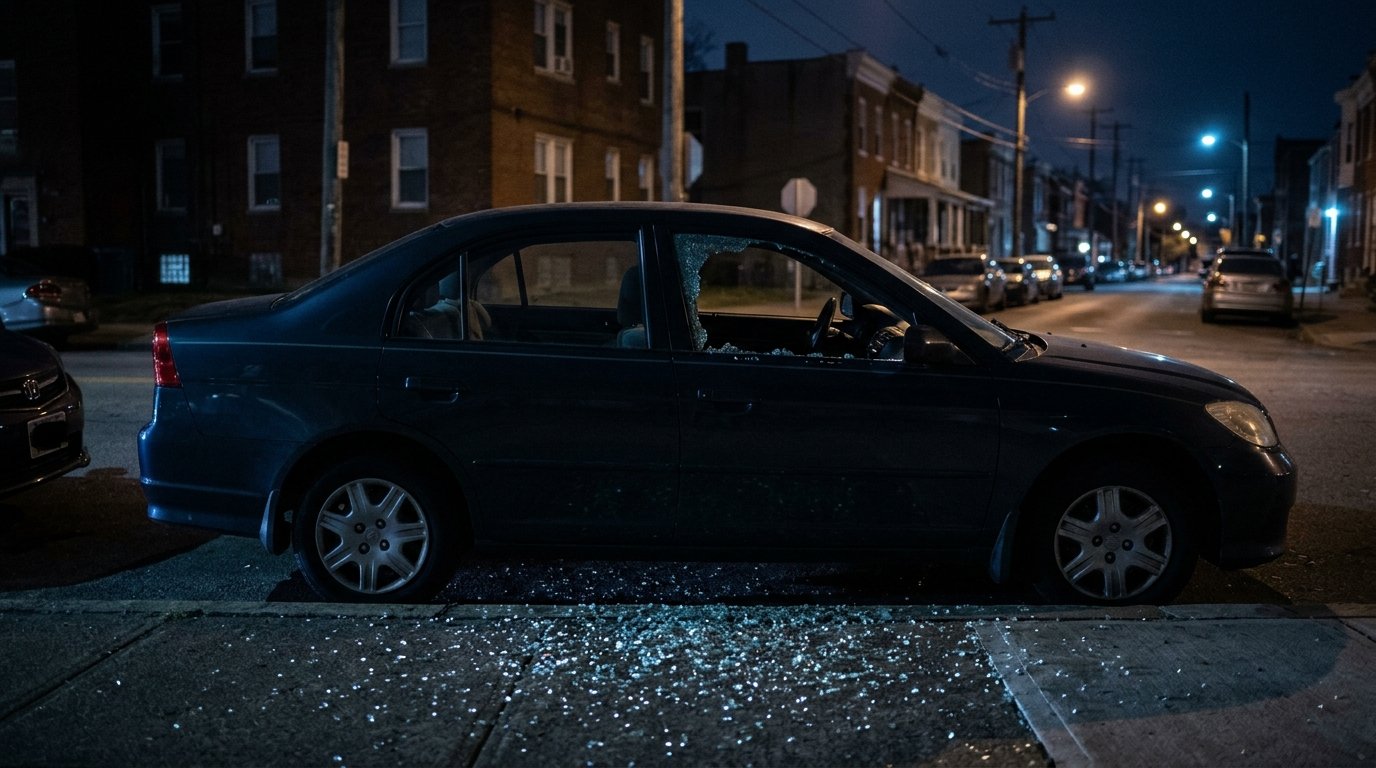
The defect is an absence. From 2011 to 2022, many Hyundai and Kia models with key start ignitions left the factory without an engine immobilizer.
An immobilizer is a small standard device. It stops the engine from starting unless the key sends a verified electronic code.
Most other brands fitted immobilizers as standard equipment for years. These base models were the exception buyers never knew about.
Then the method went viral. Videos showed thieves breaking the steering column and turning the ignition with a USB plug.
The trend had names, the Kia Challenge and the Kia Boys, and it turned a design gap into a nationwide theft wave.
Theft counts jumped hardest in a few cities. One law firm’s guide reports more than 7,000 brand cars stolen in Chicago alone during 2022.
The same firm reports at least eight deaths in crashes involving stolen cars. Both figures are that firm’s claims, printed here as its claims.
No recall ever came. The fixes ran as service campaigns instead, first a software upgrade and later a hardware sleeve.
Owners also paid in insurance friction. Premiums rose for many, and some insurers restricted new policies on the riskiest models in some places.
Why the Immobilizer Was Missing
The lawsuits call it a cost decision. Owner complaints alleged the companies saved money by leaving a standard device out.
The companies never framed it that way. Their public answer was the fix campaign, not an explanation of the original specification.
Whatever the internal reason, the external fact is undisputed. Comparable models from rival brands carried immobilizers in the same years.
That contrast did legal work. It let plaintiffs argue the omission fell below the industry standard buyers reasonably expected.
It also shaped the remedies. Both settlements spend much of their value on closing the hardware gap the omission created.
Settlement One: The Consumer Class Action
The case is an MDL. Its caption is In re: Kia Hyundai Vehicle Theft Litigation, number 8:22-ml-03052, in the Central District of California.
Judge James V. Selna supervises it. Dozens of owner lawsuits from across the country were gathered into this one proceeding.
The settlement was announced in May 2023. Trade reporting at the time put the class at about nine million vehicles.
Class counsel includes Hagens Berman and FeganScott. The dated case history on the FeganScott case page for the theft defect litigation is the timeline this section follows.
What It Paid and Who It Covered
Two numbers describe this settlement. About $200 million is its total value, and up to $145 million is the out of pocket fund inside it.
Trackers sometimes print those as two separate funds, even as two brands’ separate settlements. They are one settlement described two ways.
The announced caps were up to $6,125 for the loss of a vehicle and $3,375 for damage to one, plus rentals and transport costs.
Coverage turned on the car, not the theft story. A 2011 to 2022 model without a factory immobilizer was the qualifying profile.
The settlement also funded the free software upgrade campaign, the companies’ main answer to the theft method at the time.
How per person money compares across case types is the subject of our class action lawsuit settlement amounts breakdown. This case sits at the documented loss end of that range.
The Appeals Hold: Why Approved Money Has Not Moved
Final approval is not the finish line. The court granted it on October 1, 2024, and the money still has not moved two years later.
Three class members objected and appealed. Appeals like this are a normal, if slow, part of large settlements.
The Ninth Circuit dismissed two of the appeals on January 8, 2026, and the third on February 25, 2026, per counsel’s updates.
One objector then asked the US Supreme Court to review the approval. Counsel projects a decision on that request in late 2026.
A status tracker reports a further wrinkle. It says the Court returned the petition on October 6, 2026, giving 60 days to refile it, per the Settlement Insight status page for this case.
Until the appeals fully resolve, the administrator’s position is blunt. The settlement has not become effective, and payments cannot be made.
That is why payment issuance reads TBD. It is not a delay tactic; the fund is legally frozen while review is pending.
The pattern is familiar from other big MDL settlements. The frozen middle is exactly what our explainer on how long a settlement takes describes for cases of this size.
Owners waiting on this money can watch two places. Counsel’s dated updates and the tracker in our settlement check status guide both follow the docket.
One more honesty note belongs here. The class claims deadline is reported two ways, March 30, 2025 by counsel and April 28, 2025 by the tracker.
Both readings are printed because both sources are serious. Either way, the window closed in spring 2025 and cannot be reopened for late filers.
Settlement Two: The Multistate AG Settlement
The second settlement is not a class action. It is an enforcement deal between the companies and 36 state attorneys general.
It was announced on December 16, 2025. North Carolina Attorney General Jeff Jackson and 35 counterparts announced it together.
Again, two numbers describe it. The deal totals about $9 million, and the consumer restitution fund inside it is $4.5 million.
Social posts already shrink the whole deal to $4.5 million. That figure is only the fund owners can claim from.
The deal also looks forward. Future models are committed to standard immobilizers, and eligible cars get a free hardware protector.
The Software Upgrade Rule: The Gate on the New Money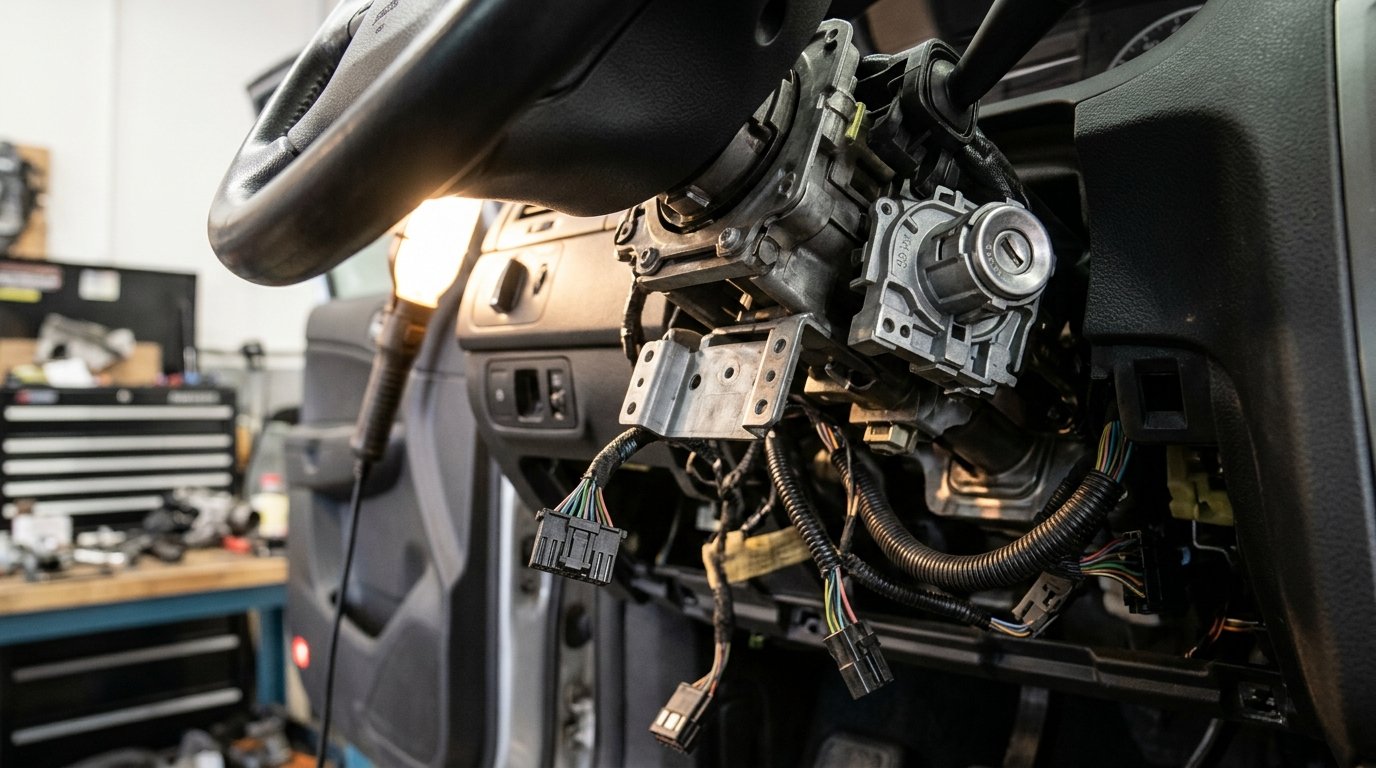
This rule decides most claims. At the moment of the theft or attempt, your car needed the free software upgrade already installed.
There is one alternative. A documented appointment for the upgrade, scheduled for a date after the incident, can also satisfy the rule.
The clearest statement of the gate appears in the Class Action Buddy guide to the multistate settlement. Its verdict is blunt: no upgrade and no appointment means no money.
The logic is defensible, even when it stings. The companies offered a free fix, and the fund rewards owners who took it or booked it.
It also means the upgrade is not just maintenance. For owners of these models, getting it installed protects both the car and the claim.
The Three Tiers: $4,500, $2,250, and $375
The fund pays by loss type. The tiers, as the claim guides report them, are simple to read and strict to prove.
|
Loss type |
Maximum |
What qualifies |
|---|---|---|
|
Total loss |
Up to $4,500 |
Car wrecked, destroyed, declared a total loss, or unrecovered after three months |
|
Partial loss |
Up to $2,250 |
Car recovered with theft damage |
|
Attempt |
Up to $375 |
A theft attempt that failed but left damage |
The tier table in the Owed guide to the stolen car settlement matches this shape. Its short answer also names the March 31, 2027 deadline beside the amounts.
A ceiling is not a typical payment. Each tier is a maximum for a fully documented claim, not a promise about yours.
Unlike the cases in our class action lawsuit no proof needed guide, this claim requires proof. A police report or insurance records anchor the incident.
Ownership and loss documents complete the file. The administrator reviews claims against those records before paying anything.
The Zinc Sleeve: The Fix That Closes Your Window
The hardware fix is a zinc sleeve. It is a zinc reinforced protector fitted around the ignition cylinder, free for eligible cars.
The sleeve hardens the exact point the USB method attacks. A protected ignition is far harder to force with a plug.
Its timing carries a legal edge. Your claim window ends on the earlier of two dates, the sleeve installation or March 31, 2027.
So the sleeve is both shield and deadline. Getting it fitted protects the car, and it also closes the period when a theft can qualify.
That is not a reason to delay it. An unprotected car remains the target the whole settlement exists because of.
How Rolling Payments Work
Rolling means first complete, first paid. The administrator reviews AG claims as they arrive and pays approved ones from the fund.
There is no single payment date for this settlement. Your neighbor’s check and yours can land months apart.
That rhythm rewards complete files. A claim missing its police report waits while documented claims move past it.
It also creates a quiet race. Every approved claim shrinks the fund that later claimants divide.
The claim guides note one more timing fact. Reimbursement follows a final determination notice, reported at within 90 days for approved claims.
Treat that figure as the trackers’ reading of the official guidance. Your own notice is the document that governs your claim.
Eligible Models: The 22 Named Cars
Twenty two models are named across the two brands. Every one shares the profile: the listed years, key start, no factory immobilizer.
|
Brand |
Models and years |
|---|---|
|
Hyundai |
Accent 2018 to 2022, Elantra 2011 to 2022, Elantra GT 2013 to 2020, Genesis Coupe 2013 to 2014, Kona 2018 to 2022, Palisade 2020 to 2021 |
|
Hyundai |
Santa Fe 2013 to 2022, Santa Fe Sport 2013 to 2018, Santa Fe XL 2019, Sonata 2011 to 2019, Tucson 2011 to 2022, Veloster 2012 to 2017, Venue 2019 to 2021 |
|
Kia |
Forte 2014 to 2021, K5 2021 to 2022, Optima 2011 to 2020, Rio 2012 to 2021, Sedona 2011 to 2021 |
|
Kia |
Seltos 2021 to 2022, Sorento 2011 to 2022, Soul 2020 to 2022, Sportage 2011 to 2022 |
The full eligibility criteria are listed in the ClaimDepot listing for the immobilizer settlement. They run to four conditions, and a claim must meet all four.
A named model is not enough alone. The vehicle, the upgrade, and the incident date must all line up at once.
Push button start models sit outside this story. Their ignitions do not offer the opening the viral method exploits.
The VIN check on the official multistate site settles individual cars. Run yours there before assuming either answer.
How to File the AG Claim
Filing is free and direct. No service needs to file for you, and no fee is ever part of a legitimate claim.
- Check the VIN first. Use the official multistate settlement site to confirm the vehicle qualifies before gathering anything.
- Fix the incident date. Confirm the theft or attempt falls on or after April 29, 2025 and before any zinc sleeve installation.
- Prove the gate. Gather the upgrade record or the appointment documentation that covers the incident date.
- Assemble the proof file. Police report or insurance records, ownership documents, and loss records go in, as our settlement claim form online guide explains for claim forms generally.
- Complete the claim form. The step order in our how to file a claim for settlement walkthrough applies here too: claim online, or mail the form to the administrator.
- Keep the confirmation. Save the claim ID and confirmation code the site issues, since they let you correct the claim later.
- File early, not at the deadline. The fund pays on a rolling basis, and payments stop when the money is gone.
Paper filers use the administrator’s East Brunswick, New Jersey mailing address. Mailed claims must be postmarked by March 31, 2027.
More routes into the process start from our LawSips home page. The official settlement site, not any summary page, is where the claim itself lives.
The Gap Window: Thefts Between the Two Settlements
Some owners fall between the clocks. A theft in early 2025, after class claims closed, predates the AG window entirely.
For that owner, honesty beats false hope. No live claim route exists today under either settlement for that incident.
What remains is insurance, if the policy covered theft, and the record itself, if any future program ever opens.
This gap is the part no competitor prints. Pages quietly imply every theft is covered by something, and that implication is wrong.
Dates are the whole case here. Before filing anything, place your incident on the timeline and read only the settlement that governs it.
The Third Lane: City Lawsuits
Cities sued too, for their own costs. Police time, towing, and public damage are the losses these cases price.
Jackson, Mississippi is the worked example. Its council accepted a settlement of $178,556.05 in October 2026, per the Jackson Wire report on the city settlement.
The city keeps under $100,000 after fees. The complaint alleged at least 300 brand vehicles stolen in Jackson during 2023 alone.
That works out to roughly $333 per stolen vehicle before fees. City money and owner money are different species entirely.
Owners cannot claim from city settlements. The lane matters because headlines about them confuse readers waiting for their own payments.
If You Still Own the Car
The risk has not retired. Thefts of these models continue, and the research horizon is longer than most owners expect.
A UCLA led study projects the models stay targeted through at least 2042, and likely through 2050, in the Scienmag report on the UCLA forecasting study.
The reasoning is simple arithmetic. Millions of unprotected cars remain on the road, and the method stays common knowledge.
Three moves lower your exposure now. Get the software upgrade, book the zinc sleeve, and use a visible steering wheel lock meanwhile.
Where you park matters too. Lit, locked, and busy locations deter the opportunistic thefts this trend mostly produces.
Keep your insurance paperwork current. If the worst happens, the police report and the claim record become your settlement proof.
Buying or Selling an Affected Car
The theft profile follows the car. A 2015 Elantra carries its risk to every later owner, and the settlements follow ownership too.
Buyers should ask three questions before money moves. Is the model on the named list, has the upgrade been installed, and is the sleeve fitted?
The answers have claim consequences. A buyer whose car is stolen after purchase steps into the same AG rules as any owner.
Sellers should expect the questions. Documented fixes are a selling point now, and the paperwork proving them is worth keeping with the car.
A car with neither fix is not unsellable. It is a car whose price and insurance quote should reflect an unfinished safety story.
Either way, the VIN check settles the individual car. Run it during the transaction, not after it.
Mistakes to Avoid
Owners lose money on process errors more than on eligibility. The expensive mistakes repeat across both settlements.
- Filing at the wrong site. Hyundai class, Kia class, and multistate claims live at three different addresses.
- Skipping the software upgrade. It is the gate on the new fund, not an optional extra.
- Waiting for the deadline. The AG fund pays rolling, and an exhausted fund pays nobody, deadline or not.
- Assuming approval means payment. The class settlement shows how long appeals can freeze an approved deal.
- Trusting a single number. Every fund in this story has a pair of figures, and the smaller one is usually the claimable part.
- Paying a filing service. Legitimate claims are free, a point our settlement claim form online guide repeats because scams depend on forgetting it.
One comparison sharpens the patience point. In our Depo-Provera lawsuit guide and in our Johnson and Johnson talc lawsuit guide, multidistrict settlements of this scale resolve on court time, not claimant time.
Worked Examples: Three Owners, Three Answers
Examples make the routing concrete. Each owner below has the same kind of car and a completely different legal answer.
Owner One: Stolen in 2022, Claimed in 2024
Her car was taken at the trend’s peak. She filed in the class action during its open window and documented her losses.
Her claim is valid and frozen. The appeals hold her money, and nothing she does can speed the courts.
Her correct move is record keeping. Address changes and claim details stay current with the administrator while she waits.
Owner Two: Stolen in 2026, Upgrade Installed
His car carried the software upgrade. It was stolen anyway in 2026 and recovered with heavy damage.
He is the AG settlement’s core claimant. A partial loss claim up to $2,250 fits his facts, with proof.
His correct move is speed. File the documented claim now, while the rolling fund is still paying early claims.
Owner Three: Stolen in February 2025
Her theft predates the AG window by weeks. Class claims had already closed when her car was taken.
No live settlement route covers her incident today. Her recovery ran through her insurance, as it does for the whole gap window.
Her correct move is documentation anyway. A dated record costs little and matters if any future program ever opens.
What the Money Realistically Looks Like
Ceilings dominate the headlines. The honest version of every figure in this story is a range with conditions attached.
Class action payments, when they finally move, will follow documented losses first. The announced caps mark the top, not the middle.
AG payments will be smaller and faster. The fund is a fraction of the class fund, spread across a newer, narrower window.
Both settlements share one trait with the wider field. As our class action lawsuit settlement amounts breakdown shows across case types, documentation is the multiplier in almost every payout formula.
Keep every record either way. Receipts, reports, rental bills, and correspondence are the difference between a ceiling case and a token one.
A Note on Dates and Sources
This page prints its seams. Where serious sources disagree, both readings appear with their sources named, as the class deadline does above.
Status facts here were checked on November 12, 2026. The appeals, the fund balance, and the sleeve campaign can all move after that date.
The hierarchy used throughout is simple. Official notices and counsel updates outrank trackers, and trackers outrank social posts.
Where a figure comes from a law firm’s own guide, it is labelled as that firm’s claim. Drama is not evidence, even when it is directionally right.
Frequently Asked Questions
1. What is the Hyundai Kia theft lawsuit?
It is two settlements, not one case. A consumer class action covers the older theft wave and sits frozen by appeals, while a multistate attorneys general settlement covers thefts since April 29, 2025 and stays open until March 31, 2027.
2. Why were Hyundai and Kia sued over thefts?
The cars lacked a standard anti theft device. Many 2011 to 2022 Hyundai and Kia models were sold without engine immobilizers, and viral videos then taught a simple method for stealing them, producing losses owners sued over.
3. What is an engine immobilizer?
It blocks the engine without the right key. An immobilizer checks an electronic code from the key before the engine can start.
Without one, a forced ignition can start the car, which is exactly the gap thieves exploited.
4. Which models are affected by the theft defect?
Twenty two models are named in the AG settlement. They are 2011 to 2022 Hyundai and Kia cars with key start ignitions and no factory immobilizer.
The official site checks individual cars by VIN, which settles borderline cases.
5. How are these cars stolen so easily?
The steering column is the weak point. Thieves break it open and turn the exposed ignition with a USB plug.
The method needs no key and little skill, which is why it spread so quickly among teenagers.
6. What is the Kia Challenge?
It was the viral theft trend’s name. Videos under the Kia Challenge name showed how to steal these cars, and the Kia Boys label attached to the young thieves copying it.
The trend began around 2021 and went nationwide.
7. Was there a recall for the Hyundai Kia theft problem?
No, there was never a recall. The companies answered with service campaigns instead: a free anti theft software upgrade first, and later a free zinc reinforced ignition cylinder protector for eligible cars.
Owners were notified through those campaigns.
8. How many cars are in the theft class action?
About nine million vehicles. That was the class size reported when the settlement was announced in May 2023.
It covers 2011 to 2022 Hyundai and Kia models built without engine immobilizers across the United States.
9. What is the $200 million Hyundai Kia settlement?
It is the consumer class action settlement. Announced in May 2023, it totals about $200 million in value, including up to $145 million for owners’ out of pocket losses, plus the free software upgrade campaign it funded.
10. What is the $145 million fund in the class settlement?
It is the cash core of the $200 million deal. The $145 million is the fund for out of pocket losses inside the larger settlement value.
Trackers sometimes print the two figures as separate settlements, which is wrong.
11. Who qualified for the consumer class action?
Owners of the vulnerable profile qualified. Current and former owners or lessees of 2011 to 2022 Hyundai and Kia models without factory immobilizers formed the class.
Claims were filed in 2024 and closed in spring 2025.
12. What did the class settlement pay for a stolen car?
Up to $6,125 for a lost vehicle. The announced caps also allowed up to $3,375 for damage to a vehicle, plus rentals, taxis, and transport costs.
Actual payments wait on the appeals described in this article.
13. Is the class action still open for claims?
No, the claim window has closed. It ended in spring 2025: class counsel gives March 30, 2025, while a status tracker gives April 28, 2025.
Both readings are printed in this article because both sources are serious.
14. Why has the class settlement not paid yet?
Objector appeals froze it. Three class members appealed the October 2024 final approval.
Until every appeal resolves, the administrator says the settlement is not effective and payments cannot be made, however long that takes.
15. What are the objector appeals about?
They challenge the approval itself. Objectors argue the settlement or its terms should not have been approved.
Their appeals are a normal part of large settlements, but they delay every payment while courts review them.
16. What happens with the Supreme Court petition?
It is pending before the Court. After the Ninth Circuit dismissed the appeals in early 2026, one objector sought Supreme Court review.
A tracker reports the petition was returned on October 6, 2026 with 60 days to refile.
17. When will class settlement payments finally arrive?
No date can be promised. Payments can only follow the end of the appeals, and the administrator lists issuance as TBD.
Counsel projects a Supreme Court decision on review in late 2026, which is a projection, not a schedule.
18. What is the multistate AG settlement?
It is the December 2025 enforcement deal. Thirty six state attorneys general settled with the companies over the same missing immobilizers.
It provides a $4.5 million restitution fund, free hardware protectors, and an immobilizer commitment for future models.
19. Is the AG settlement a class action?
No, and the difference matters. It is a settlement with state governments, not a court supervised class action.
It has its own eligibility rules, its own claim site, and its own rolling payment process.
20. Who qualifies for the AG settlement?
Three things must line up. An eligible 2011 to 2022 vehicle without an immobilizer, a theft or attempt on or after April 29, 2025, and the software upgrade installed or an appointment booked when it happened.
21. What is the software upgrade rule?
The upgrade is the gate on the money. For the AG fund, your car must have had the free anti theft software upgrade installed at the incident, or you must document an appointment scheduled for it.
Nothing else substitutes.
22. What if I never got the software upgrade?
The cash claim likely fails. Owning an eligible car still qualifies you for the free fixes, but the restitution tiers turn on the upgrade or the documented appointment.
That gate is stated plainly on the claim guidance.
23. What counts as a qualifying theft for the AG settlement?
A theft or attempt inside the window counts. The incident must fall on or after April 29, 2025 and before the earlier of your zinc sleeve installation or March 31, 2027, with the upgrade condition also met.
24. How much does the AG settlement pay?
Up to $4,500 for a total loss. Partial losses pay up to $2,250 and documented attempts up to $375, as the claim guides report the tiers.
Each amount is a ceiling for a fully documented claim, not a typical payout.
25. What proof does the AG claim require?
Yes, this claim requires proof. Expect a police report or insurance records for the incident, plus ownership and loss documents.
The administrator reviews claims against those records before paying, unlike no proof settlements.
26. What is the deadline for the AG settlement claim?
March 31, 2027. Claims are filed online or postmarked by that date.
It is also the last day a theft can qualify, and the limited fund may run out before the deadline arrives.
27. What is the zinc sleeve, and why does it matter?
It is a zinc reinforced ignition protector. The free hardware sleeve hardens the point the viral theft method attacks.
It matters legally too: your eligibility window closes the day it is installed on your car.
28. Can I claim if my car was stolen in 2023?
Not under the AG settlement. A 2023 theft belongs to the class action era, whose claims closed in 2025.
If you filed there in time, your claim waits on the appeals; if not, no live route remains.
29. Can I claim if my car was stolen in 2026?
Yes, that is the open window. A 2026 theft of an eligible car can qualify for the AG settlement, provided the software upgrade rule is met and the claim is filed by March 31, 2027.
30. What if the theft happened between the two settlements?
Some incidents fall in the gap. A theft after class claims closed but before April 29, 2025 fits neither settlement’s window.
This article states that plainly rather than implying coverage that does not exist.
31. Can one owner ever use both settlements?
Only across different incidents. The settlements cover different time windows, so one theft cannot qualify under both.
An owner hit twice, once in each era, could in principle have a claim in each.
32. What if my car was stolen after the software upgrade?
That is exactly the AG settlement’s core case. A qualifying theft after the upgrade is what the fund exists for.
File with the police report, the upgrade record, and your loss documents before March 31, 2027.
33. What if only an attempted theft happened?
Yes, attempts have their own tier. A documented attempt pays up to $375 under the AG settlement, provided the window and upgrade conditions are met.
A broken ignition from a failed attempt is the typical example.
34. How do I check my VIN for eligibility?
Use the official multistate settlement site. Its VIN lookup confirms whether your specific vehicle qualifies for the fixes and the claim.
A model appearing on the named list is not enough on its own.
35. Where do I file the AG claim?
On the official multistate settlement site. File online there, or mail the form to the settlement administrator in East Brunswick, New Jersey.
Keep the claim ID and confirmation code the site issues you.
36. Does the AG fund ever run out?
Yes, and payments then stop. The $4.5 million fund is limited and pays on a rolling basis.
The official guidance warns that restitution ends when the fund is exhausted, even if the deadline has not arrived.
37. What did the cities’ lawsuits against Hyundai and Kia do?
They recovered public costs, not owner losses. Cities sued over policing and response costs.
Jackson, Mississippi settled in October 2026 for $178,556.05 and kept under $100,000 after fees, according to local reporting.
38. Will my insurance rates be affected by the theft problem?
For many owners, yes. One law firm reports the named models were restricted by a major insurer, and premiums rose widely for these cars.
Your own policy terms decide your position, so ask your insurer directly.
39. How do I protect my Hyundai or Kia now?
Take the free fixes and add friction. Install the software upgrade, book the zinc sleeve, use a visible steering wheel lock meanwhile, and park in lit, locked, busy places where you can.
40. Do I need a lawyer for a theft settlement claim?
Not for the AG claim itself. Filing is free and designed for owners, and no fee is ever part of a legitimate claim.
Personal legal advice about a specific situation is a separate matter for a licensed attorney.
41. Are the thefts still happening in 2026?
Yes, according to current research. A UCLA led study projects these models remain theft targets through at least 2042, and likely 2050, because millions of unprotected cars remain on the road.
42. Where can I check the current status of both settlements?
Split your checking by settlement. Class counsel’s case page carries dated updates on the appeals, and status trackers follow both settlements.
This article’s facts were checked on November 12, 2026.
Conclusion
The hyundai kia theft lawsuit story ends, for now, with two clocks running at very different speeds.
One settlement is approved, closed to claims, and waiting on the courts. Its owners can only watch the appeals and keep their records.
The other settlement is open, gated, and quietly spending down a limited fund. Its owners have a real action to take, and a deadline with teeth.
If your theft sits inside the newer window, run the VIN check, gather the proof, and file while the fund still has money in it.
Start from our LawSips home page for the wider settlements picture, and treat every date on this page as checked on November 12, 2026, because court events can move them.

Dilawar is a dedicated writer and contributor at Lawsips.com, focusing on legal information, business law, consumer rights, legal awareness, and everyday legal matters. He is passionate about simplifying complex legal topics and providing readers with clear, practical, and easy-to-understand information. His goal is to help readers stay informed about legal developments, understand their rights, and make better decisions through informative and well-researched articles.